There are few dining pleasures quite as special as sitting down to an expertly cooked steak. For years diners have turned to tried and true beef classics like the ribeye, New York strip, and tenderloin for a premium meal. Many adventurous eaters and loyal patrons desire more though; they crave more flavor, more nutrition, and a meal that truly connects them to traditions of the past. If you have found yourself wondering about buffalo vs beef, you have come to the right place.
At the Y.O. Ranch Steakhouse we believe that there is a legendary cut of meat that deserves recognition as the pinnacle of steak perfection. That cut is the buffalo filet.
The Basics of Buffalo and Beef
It all starts with how the animals live their lives. Over the years cattle have been selectively bred for maximum intramuscular fat production. That marbling you see weaved throughout high-end cuts of beef is a thick layer of white fat. As it melts away while cooking, it gives steak its famous texture and flavor. Bison on the other hand roam free on massive ranches, grazing on native grasses and leading very physically demanding lives. They don’t have much of a fat layer to speak of.
The Difference Between Buffalo and Beef
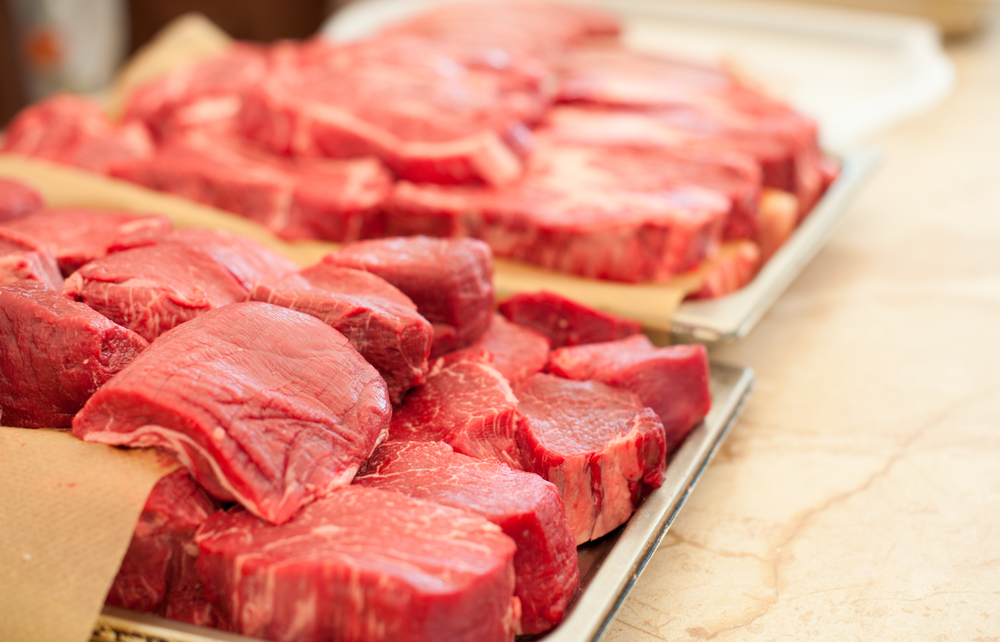
When you finally sit down to compare buffalo vs beef side by side you will notice the color difference first. The deep red color of a raw bison steak is unlike anything you have ever seen. It comes from the insanely high iron content in bison meat. There is also no added fat marbling, so the color is uniform throughout the steak.
This difference is what gives bison its robust flavor. A filet of beef needs fat to melt into the meat to give it flavor. Bison tastes incredibly clean, extremely savory, and even a little sweet. There is no heavy grease aftertaste to bloat your stomach like a good ol’ fashioned Texas Beef Steak sometimes can. Buffalo meat just tastes like what a red meat should!
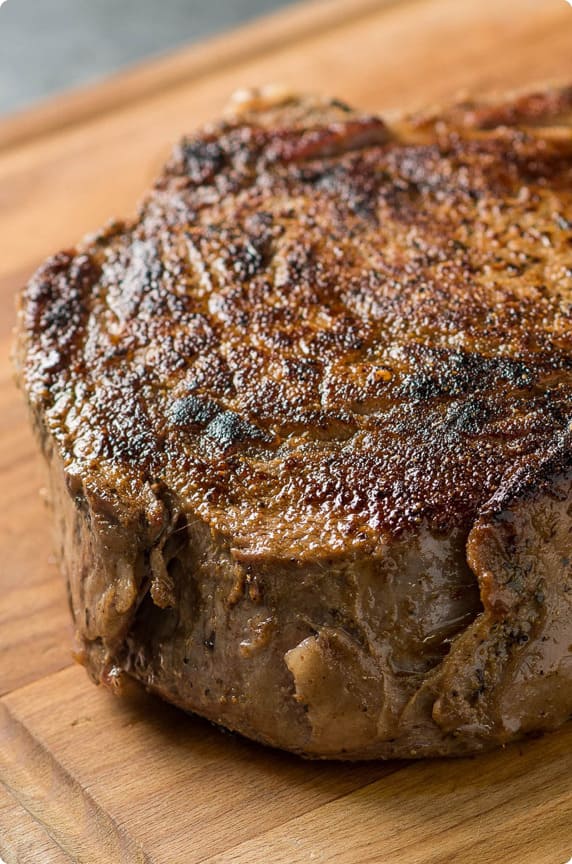
Another surprising feature of the meat is how it feels. Many people shy away from buffalo because they are worried about it being tough or “gamey.” High quality bison is actually incredibly tender. The muscle fibers are so fine that the meat has a firmness to it, but will melt away on your fork. Eat a buffalo steak and you’ll understand why our chefs swear by it.
Buffalo vs. Beef, From a Nutritional Standpoint
If you take a look underneath the mesmerizing hood of flavor and texture, you will find an even better reason to make buffalo your next steakhouse reservation. Nutritionally, buffalo blows beef out of the water.
When it comes to buffalo vs beef, bison meat is drastically lower in calories and total fat. It has less fat per serving than chicken breast or certain cuts of traditional beef. So what does that mean for you?
If you are trying to eat heart-healthy or lower your saturated fat intake but don’t want to sacrifice the joy of a fancy steak night, then look no further than bison. Buffalo is packed with protein, B vitamins, zinc, and iron. There is no bulky fat getting in the way of your meal. Not only will you feel great after eating it, but you will be fueling your body with some of the highest-quality nutrients you can find on a menu.
Why the Buffalo Filet Is Such a Legend
Of all the cuts of meat that match this superb description, one stands out from the rest. There is a very specific reason why the buffalo filet is known worldwide by professional chefs and worldly travelers alike. Let us explain.
The tenderloin is universally known as the most tender cut of meat on any animal. It is literally called the tenderloin because the muscle is exercised the least and is protected by other parts of the animal. Take that already remarkable tenderness and fuse it with the strong, sweet taste of buffalo, and you have a culinary phenomenon.
Beef filets are known for being tender. Many people who haven’t had a buffalo filet comment that traditional beef lacks a certain wow factor in terms of flavor. Since there is less fat than say a ribeye, more people will cook it with butter or cover it in sauces to make up the difference. A buffalo filet takes center stage all on its own. You get that beautiful melt-in-your-mouth feel you crave with each bite, paired with an earthy flavor that every steak lover will appreciate. It is the best of both worlds.
How to Cook the Perfect Steak
Want to impress your friends? Of course you do. Cooking the perfect steak at home isn’t difficult, but it does ask that you abandon one cooking technique most people use for beef. Because there is no fat to slow down the cooking process, buffalo cooks about 30% faster. Don’t believe us? Follow these simple steps and decide for yourself.
Step 1 | Let the Meat Come to Room Temperature
Take the steak out of the fridge at least half an hour before cooking. Allowing the meat to warm up to room temperature ensures that heat will distribute evenly from the outside of the steak to the center.
Step 2 | Simple Seasoning is Best
Don’t overload your steak with marinades and spices. Buffalo tastes amazing by itself. Reach for some coarse kosher salt and freshly ground black pepper. Seasoning will help amplify the natural sugars in the meat and unlock even more savory goodness.
Step 3 | Start With High Heat
Preheat a cast-iron skillet or heavy grill over high heat. Add just a touch of high-smoke-point neutral oil to the pan. Allow it to get smoking hot and place your steak in the pan. Cook it for about 2-3 minutes on each side. You are trying to get a nice caramelized crust to build up around the steak.
Step 4 | Lower Heat and Keep an Eye On It
Turn the heat down to medium or move the steak to a cooler part of the grill. Use a high-quality digital thermometer to keep track of internal temperature. Pull the steak off the grill when it reaches 125 degrees Fahrenheit for rare or 135 for medium rare. You really shouldn’t cook bison past medium.
Step 5 | Rest Your Steak
Transfer your cooked steak to a warm plate or chopping board and let it rest for 5-10 minutes. As the steak rests, the juice will reabsorb itself throughout the meat, ensuring that every delicious bite is juicy.
Environmental Impact and Terroir
Culinary connoisseurs understand that some of the best flavors you can experience come from understanding where your food comes from. All of our meat is responsibly sourced directly from ranches across Texas. Bison are naturally indigenous to North America, specifically roaming the prairies of what is now Texas.
Because their grazing habits are so natural to this land, they actually improve soil quality and promote natural biodiversity. Feeding off the land and, in turn, promoting its growth is what we call terroir at Y.O. Ranch Steakhouse. When you eat at your neighborhood steakhouse, you aren’t just eating a steak. You are eating the history of the land it was raised on. Read more about the environmental benefits of Bison here.
Y.O. Ranch Steakhouse | Elevated West End Dining
At Y.O. Ranch Steakhouse, we pride ourselves in elevating the diner experience. Located in the Dallas West End, our steakhouse is surrounded by downtown skyscrapers while hiding away in it’s very own quaint oasis. We invite you to kick back, relax and enjoy your meal in an ambiance that is truly Texas Elegant.
Inside you will find plenty of warm wood features and original structural joists from the 1800s. We set ourselves apart from other steakhouse menus by offering some of the best wild game in Dallas. From elk to antelope, all of our exotic game is sourced from the Y.O. Ranch in beautiful Texas Hill Country. Our chefs have perfected the art of cooking these exotic proteins and guaranteeing each and every buffalo filet served to your table is juicy, flavorful, and ridiculously tender.
Make your next reservation with us for dinner and experience history like never before.
Frequently Asked Questions
Q. Is buffalo meat tougher than traditional beef cuts?
No, buffalo meat is not inherently tougher than beef. While it is significantly leaner, premium cuts like the tenderloin possess an exceptionally fine muscle grain. When prepared properly using high heat and cooked to rare or medium-rare, the meat is incredibly soft, yielding a texture that easily rivals conventional beef.
Q. Does buffalo have a strong or gamey flavor profile?
Bison offers a flavor profile that is remarkably clean and accessible. It tastes very similar to high-quality, premium beef, but it features a slightly sweeter finish and zero gamey undertones. Because it lacks heavy marbling, it provides a pure beef-like flavor without any greasy residue.
Q. Why does buffalo meat cook faster than standard beef?
Bison meat cooks roughly thirty percent faster than beef because it is exceptionally lean. Intramuscular fat acts as an insulator, slowing down heat transfer in traditional beef steaks. Without that heavy fat barrier, heat moves quickly through bison muscle fibers, requiring close temperature monitoring.
Q: Since bison is so lean, is it a good idea to marinate your steak for hours?
High-quality cuts like the filet have such a small grain that they are tender by default. Marinades can drown out the natural sweet flavor of buffalo meat. Simple seasoning and proper heat are all you need.