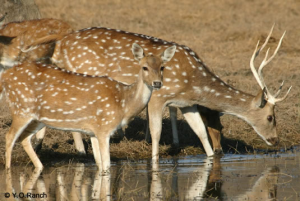
Texas is known for big ranches, campfires, and timeless traditions. Before ranching had ever become an industry in the region, hearty animals called these parts home. For thousands of years, people have been feasting on indigenous foods found throughout the great Lone Star State.
As of late, there has been a huge revival of interest in eating these heritage foods. Not only do they taste amazing (when prepared correctly), but they also give you the purest form of ingredients directly linked to the land you are dining on. Eating wild game is about understanding where your food comes from and how the tradition of eating sustainably has always existed here in Texas.
From buffalo to bison, elk to antelope, wild game dining allows you to get back to basics and appreciate how unique each meat can be. Learn what makes these meats different from your standard beef and chicken, and dive into the culinary world of Texas wild game dining.
Texas wild game dining | What you need to know
To fully understand wild game dining, you must first appreciate where these animals come from. Most of these foods are herbivores and eat native grasses, brush, and seasonally available berries. Free-range animals get to roam these grasslands and eat what nature intends for them to. They aren’t being force-fed grains or corn like most commercial meat sources. This means that there is a very distinct taste to the meat, unlike the “feedlot” flavor found in most grocery stores.
Buffalo
American Bison has always been a staple when discussing classic plains food. The flavor of buffalo is surprisingly sweet, despite being leaner than standard beef. There is no “gamey” aftertaste to bison, either. Many people find it extremely satisfying because you can eat a lot without feeling weighed down. Chefs love to serve buffalo as a prime cut steak or tasty tenderloin medallions. Since there is no need for heavy sauces to cover up gamey flavors, the natural sweetness of the meat can shine.
Elk
If you’re looking to impress someone with a nice steak but aren’t sure what cut to get, elk is the way to go. The color of the meat is a dark red, and the grain is finer than any steak you will find. This means it is also one of the most tender wild meats you can get your hands on! Elk is super mild and very “clean” tasting. It’s the perfect introduction to anyone who doesn’t want a strong flavor. Earthy flavors like wild mushrooms, juniper berries, and even dark berry reduction will complement elk beautifully.
Antelope
Antelope may be one of the more unique tasting wild game meats. Much like elk and buffalo, it is incredibly lean with a very fine grain. Antelope has a much more subtle taste than other wild game. You can pick up some of that wild brush they eat when roaming throughout dinner. Preparation is key with this meat as you don’t want to overpower the natural flavor. Antelope is a perfect example of the diversity of game you can find and cook in Texas.
Wild Boar
When you think of pigs, what food dishes come to mind? Chances are you are thinking about bacon, pork chops, or possibly some BBQ. Wild hog, on the other hand, is a completely different animal (pun intended). These beautiful animals eat nuts, roots, and even acorns. As a result, wild boar has a deep and complex flavor that is very nutty. It’s tougher than pork too, as wild boar meat is darker and leaner. Slow-braise a wild boar shoulder with strong spices to connect with your ancestors who once gathered this meat.
How To Cook Wild Game | Step by Step Guide
One of the biggest things to remember when cooking wild game is that it is extremely lean. There is little to no marbling found on these meats like you would find in grain-fed beef. If you are not careful, game meat can become dry and tough if not cooked properly. Avoid these costly mistakes by following these five steps every time you cook a steak or roast.
Step 1 | Trim Your Meat
Just like any other meat you will cook, wild game requires trimming before hitting the heat. You will want to remove any silver skin and outside connective tissue from the meat. This fatty membrane does not dissolve like it would from a quick grilled steak. It will actually make your meat curl and become chewy if not removed. Take your boning knife and slide it under the silver skin at a slight upward angle. Hold the skin with one hand while you cut down with your knife. Be patient and take your time trimming; this will make for a much better eating experience.
Step 2 | Room Temperature Meat
Let your meat sit out on the counter for about 20 minutes before cooking. This brings the internal temperature of the protein closer to room temperature. If you were to put super cold meat on a hot grill or skillet, the muscles would contract and squeeze out the juices. Once this happens, it is nearly impossible to reverse and you are stuck with a tough steak. Trust us when we say this 20 minutes makes a world of difference.
Step 3 | Sear On High Heat
For tender cuts like loin, backstrap, or medallions we like to sear quickly on high heat. Add about 1 tablespoon of your preferred high-smoke point oil to a cast-iron skillet and heat on medium-high. When the oil starts to ripple, add your meat and sear on all sides. This caramelizes the outer layer of the meat, creating tons of flavor and locking in all the juices. Do not crowd the pan!
Step 4 | Finish Low and Slow
Once you have achieved a nice crust on all sides, it’s time to finish cooking. Either place your skillet in a 400-degree oven or move the meat to a cool part of the grill. Invest in a good meat thermometer if you don’t have one already. The goal with these leaner meats is not to overcook them.
Step 5 | Rest Your Meat
Remove your cooked meat from the heat and let it rest for 10 minutes on a cutting board. By letting the meat rest, you will allow the inside to come up to a perfect medium rare (130-135 degrees Fahrenheit). As it rests, the juices will redistribute themselves throughout the meat, keeping it nice and juicy. Simply cannot stress this step enough.
Quiz Time | How Much Do You Know?
Okay, now it’s time to see how much you’ve learned about these delicious native meats.
Question 1 | What lean meat is known for being fine-grained, dark in color, and super mild? It’s great for anyone new to wild game…
Elk is one of the most tender wild meats you can find. It’s also incredibly mild and “clean” tasting.
Question 2 | True or False – Wild boar should be pulled off the grill at the same temp as antelope because they are both technically wild game.
False. Wild boar is not a lean herbivore. It should be pulled from the grill after reaching an internal 150 degrees Fahrenheit temperature.
Pro Tip: When cutting up your game meat, always slice against the grain. Cut your meat into thin slices to improve tenderness.
What to Look For In a Quality Texas Wild Game Restaurant
Now that you know how to identify and cook quality wild game at home. You may be wondering what makes a quality wild game restaurant in Texas. Well, look no further — we have you covered.
The first thing you want to look for is where a restaurant gets its meat. High-quality restaurants partner directly with ranches to ensure the meat is grass-fed and native to the region. Most importantly, you want to make sure the animals are able to roam on hundreds of acres, eating only what nature provides. This ensures the meat you are getting has true terroir and prideful sourcing.
Secondly, if you can, look into the chef cooking your meal. Do they know how to properly prepare these lean cuts of meat? Can they braise a tough cut to tender perfection? These are all things to look for when gauging if a kitchen knows what they are doing.
Lastly, take your time and look around when you eat at these restaurants. Is the ambiance surrounding you authentic to the region you’re eating from? Does the building have history? What is the overall feel you get when walking into the restaurant? If you answer yes to these questions, you have found yourself a one-of-a-kind dining establishment.
Y.O. Ranch Steakhouse | Texas Wild Game Dining
If you’re looking for the ultimate Texas wild game dining experience, look no further than Y.O. Ranch Steakhouse. Located in the heart of the Dallas West End, our steakhouse is the definition of modern elegance. Featuring authentic reclaimed wood joists and hand-shucked brick from the 1800’s, our building has true Texas elegant vibes.
Of course, we pride ourselves on serving some of the best steaks in the country. But what really sets us apart from your standard steakhouse is our wild game menu. We source our buffalo, elk, and antelope straight from the Y.O Ranch in Texas Hill Country. Bringing you authentic, indigenous sourced dining straight to the West End. Our kitchen takes pride in these proteins and knows exactly how to prepare each cut. Booking a private event for your company in our Hill Country Room? Or maybe just stopping in for a steak? We can’t wait to serve you and give you the best dining experience in Dallas.
Frequently Asked Questions
Q: How is Texas wild game different from normal steakhouse cuisine?
A: Texas wild game dining is comprised of 100% free-ranging, indigenous animals. These meats tend to be much leaner and have a more “clean” flavor profile. As such, cooking times and methods may differ from your standard steak.
Q: How do you cook the perfect medium-rare steak of antelope?
A: Preparing a perfect medium-rare steak of antelope starts with a high-heat sear and ends with a low-temperature pull. Sear the meat on all sides in a hot skillet, and then finish in a 400-degree oven. Pull the meat off the heat when it reaches 120-125 degrees Fahrenheit.
Q: Can I take these cooking methods and use them at home?
A: Absolutely! Although cooking times will vary based on the cut you are preparing at home. Just remember — these cuts lack the fat marbling you would find in beef, so they will cook much more quickly.