Seasonality in dining tends to focus on the earthy elements that make eating in the American West so unique. It’s the kitchens that focus on what grows together on our ranch during these times of the year that can create a menu that feels fresh, intentional, and hyper-local.
Changing from Spring to Summer, or Summer to Fall, should be about more than just changing out the side dishes — it should be about what flavors work well with a Texas summer versus a Texas spring or fall.
From game that begins to slim down or change flavor based on their seasonal diet, to farm-fresh vegetables that can only be found during certain times of the year, each season at your table can taste unlike the last.
Knowing the ingredients that will and will not be fresh during certain times of the year is half the battle when it comes to crafting our exciting, unique menus. Spring tends to focus on clean flavors and may include more raw or lightly cooked greens. Summer is known for its spicy/smoked flavors and ingredients that cool your body down. Autumn and winter menus take on a heavier, richer element with thick sauces and roasted/root vegetables.
No matter whether you are a discerning diner or a corporate liaison wanting the best food for your clients, seasonal menus can accommodate all guests while impressing them with your knowledge of authentic Texas cuisine.
Seasonality Spotlight | Highlighting Everything from Soil to Plate
Wholesome, Sustainable Foods Directly From the Texas Hill Country
Texas Steaks | Premium beef is only one component of a quality menu that rotates with the seasons. Sourcing ingredients from the Y.O. Ranch itself allows Y.O. Ranch Steakhouse to avoid the cookie-cutter feel of big industry supply chains .
Unique Wild Game | Axis deer, antelope, and elk all taste different depending on what and how much they eat during certain times of the year.
- Heavy applications with red sauces and sweet-root vegetables like parsnips or potatoes are traditionally served during the winter months to satisfy your craving for warmth.
- Cooking lighter with chimichurri or a summer corn salsa may be preferred when that same protein is served in May or June.
Let’s look at each season in greater detail and see what we can learn about Texas traditions.
Spring Has Sprung | Focus on Fresh Starts
As soon as the wildflowers start to bloom, so does the desire for a crisp dining experience.
Spring showcases the first fresh foods of the year, with flavors or ingredients that cut through and comment on the char of a quality steak. Maybe it’s an appetizer of Texas goat cheese topped with local honey and shaved radishes, or a salad with snap peas and mint to serve as your palate cleanser.
Think Wild Gulf caught shrimp or blackened snapper served with a light citrus marinade. Or consider grilled asparagus, or sides with lemon zest to tie into that freshness. Game transitions during spring might include a buffalo or bison burger as opposed to a winter roast.
Summer Madness | From Smoked Meats to Sweet Tomatoes
Grilling season is serious business in Texas, and so is keeping your guests comfortable while they dine. We try to implement the sweet elements of peaches or berries, found locally in Fredericksburg, during the summer months: Imagine a peach-bourbon glazed pork chop or a jalapeño-peach jam served with your appetizer.
July and August is when the majority of outside visitors will travel to Texas for events like the Final Four, the upcoming World Cup, or the premiere of TV shows filmed in DFW. Menus throughout the city will claim their food “defines Texas.” To us, that means vine-ripened tomatoes, Texas Kings broad beans, sweet corn, and more.
Private party planners and corporate clients looking to wow a group of guests during lunch or dinner should inquire about menu items that can be served family-style or include a carving station. Allow guests to dive into that juicy crust of a dry aged prime rib or experience the lean taste of smoked venison loin themselves by scheduling your next business meeting with us.
Fall Is for Fine Food | When the Leaves Change, So Does Your Entrée
If you’re a fan of wild game, fall is the season for you.
- Elk and antelope generally feature on the menu during these months, paired with wild mushrooms, roasted fall squash, or even huckleberry glazes.
- Look for root vegetables like carrots, beets, and sweet potatoes. These will most likely be served slow roasted to enhance natural sugars and compliment your entrée.
- During fall and winter you can expect to see spices you would normally find in baking incorporated into our savory sauces. Cinnamon, clove, and nutmeg are just a few examples.
Whether it’s celebrating your ranching heritage with the meal options available or filling up on food that warms you from the top of your head to the bottoms of your boots[cite] , fall offers something for everyone.
Winter Wonders | Savor and Pair Like No Other Time of Year
Heavier, slower-to-digest foods are perfect for cold winter months. Take advantage of menus that offer multi-course meals and wine pairings that encourage you to relax and enjoy every bite.
During this time of year we focus on braised meat preparations you can scoop up with a fork (think fall-off-the-bone short ribs) or osso buco options with wild boar. These meals were meant to be eaten slowly while chatting with your loved ones or on a leisurely break from holiday shopping.
Winter is also a great time to use our preserved foods from the Spring and Summer harvests. Pickled veggies, fruit preserves, and dehydrated herbs sprinkled into compound butters are all techniques we use to continue our freshness philosophy year-round.
Why Eat Seasonally? | Your Guide to Texas Cuisine
It’s not just what’s on the plate that changes during certain seasons, it’s how it’s paired with libations. Spring kale salads and cold brew cocktails just don’t mix together (if you’re asking us). Your dinner cocktail should enhance what you feel when biting into that juicy steak or tender piece of yearling beef.
Lighter, fruit-forward wines like rosés and high-acid whites are best during the spring and summer months. As the temperature outside begins to drop, so does our menu transition to whiskey wheelages and Cabernet Sauvignon’s.
Pairing the perfect drink with seasonal menu items is what makes a curated meal feel like an event. At Y.O. Ranch Steakhouse we’re as proud of our cocktails as we are of our delicious cuts and sides.
Dining Inspired by the Season | Y.O. Ranch Steakhouse
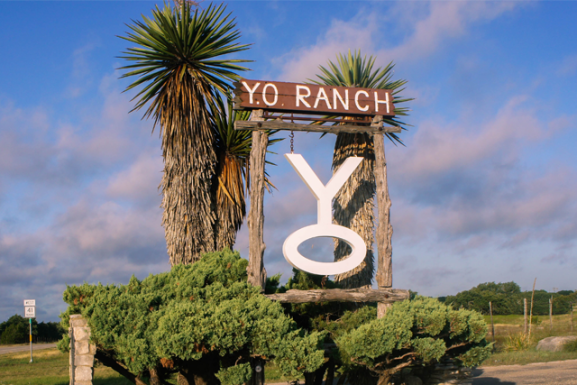
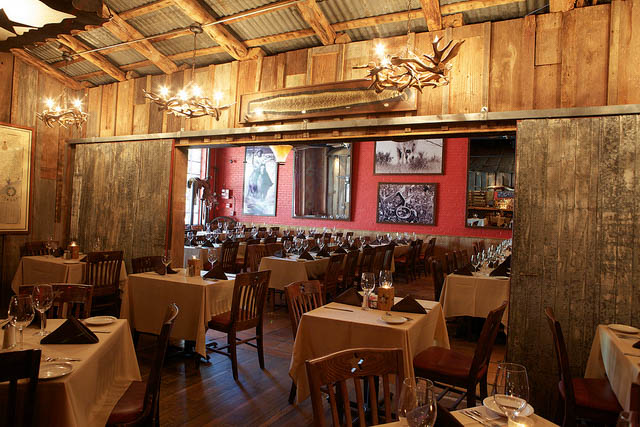
Y.O. Ranch Steakhouse is known for our seasonally changing menus that highlight everything from our soil to your plate. Built in a historic 1800s structure in the heart of the Dallas West End, we offer every guest an authentic taste of Texas Hill Country finesse.
Whether you’re a corporate power player in need of some peace and quiet to close that deal, or a fashion forward bride looking to showcase “Texas Chic” at your upcoming rehearsal dinner, we can cater to your needs.
Visit us online or give us a call to reserve your table today.
FAQ
Q. How often does Y.O. Ranch Steakhouse change its menu?
Our menu rotates along with the seasons. We like to keep it fresh year-round, but you can expect larger changes as certain foods become available on our ranch.
Q. Will there always be Buffalo and Elk available?
Buffalo and elk are always staples on our menu, but the way we cut and prepare these meats will change along with the season.
Q. If I have dietary restrictions, can the kitchen still accommodate my needs with a seasonal menu?
We pride ourselves on creating dietary-diverse menus, not only for our individual guests but also for private parties of all sizes.