Crafting the perfect steak is an art — but like any good art, there’s a rich history involved. Decades on the grill have taught us steak isn’t just protein on a plate — it’s flavor, tradition, art and science.
Our restaurant has been around for decades, filling this 1800s building in Dallas West End with guests looking for the finest dining in town. Just as our building’s joists and hand-shucked brick whisper hints of history from floor to ceiling, our kitchen and servers work tirelessly to make your experience feel just as authentic.
From mastering that signature crust on the outside to cooking to rare perfection on the inside, we do it all by ranching like it’s 1885 — and grilling with the best of modern science.
Cooking the perfect steak isn’t about having access to only the finest meats or the fanciest equipment. Like many great Texas traditions, it’s about taking your time and respecting the process. From beginning to end, cooking steak is about precision temperature and understanding how protein reacts to fire.
Whether you’re firing up a grill over an open flame in your backyard or cooking over stainless steel on your indoor range, you can achieve that thickly caramelized crust that encases the most perfectly juicy medium-rare center by following the same basic steps as your favorite steakhouse. Sure, you’ll take longer to let your meat dry and warm up to room temperature than most. But once you whip out that digital meat thermometer you’ll be joining the ranks of professional chefs everywhere who can take any dinner from good to gourmet in just four simple steps.
Know the Maillard Reaction
For a perfectly cooked steak, chefs utilize what is known as “the Maillard reaction.” If you want your steak to have that beautiful brown crust and complex flavor profile, you need to rearrange the amino acids and sugars in your meat — that’s all it means. The reaction is initiated when both sugars and amino acids break down and combine with each other, in a process known as caramelization.
For this reaction, you need an extremely dry surface on your meat. Water is steam, and steam doesn’t brown — so if there’s any moisture on the surface of your meat, it will either prevent it from browning evenly or completely steam your meat.
Professional chefs will often air dry their steaks in the fridge for anywhere from several hours to a few days. To mimic that process at home, unwrap your steak and place it on a wire cooling rack over a baking sheet at least four hours before cooking. This tightens the protein on the exterior of the meat, creating that signature beefy flavor we all crave.
Once your steak has dried, pat it down with a paper towel one more time and you’re ready to fire up that grill.
Choose the Best Cut
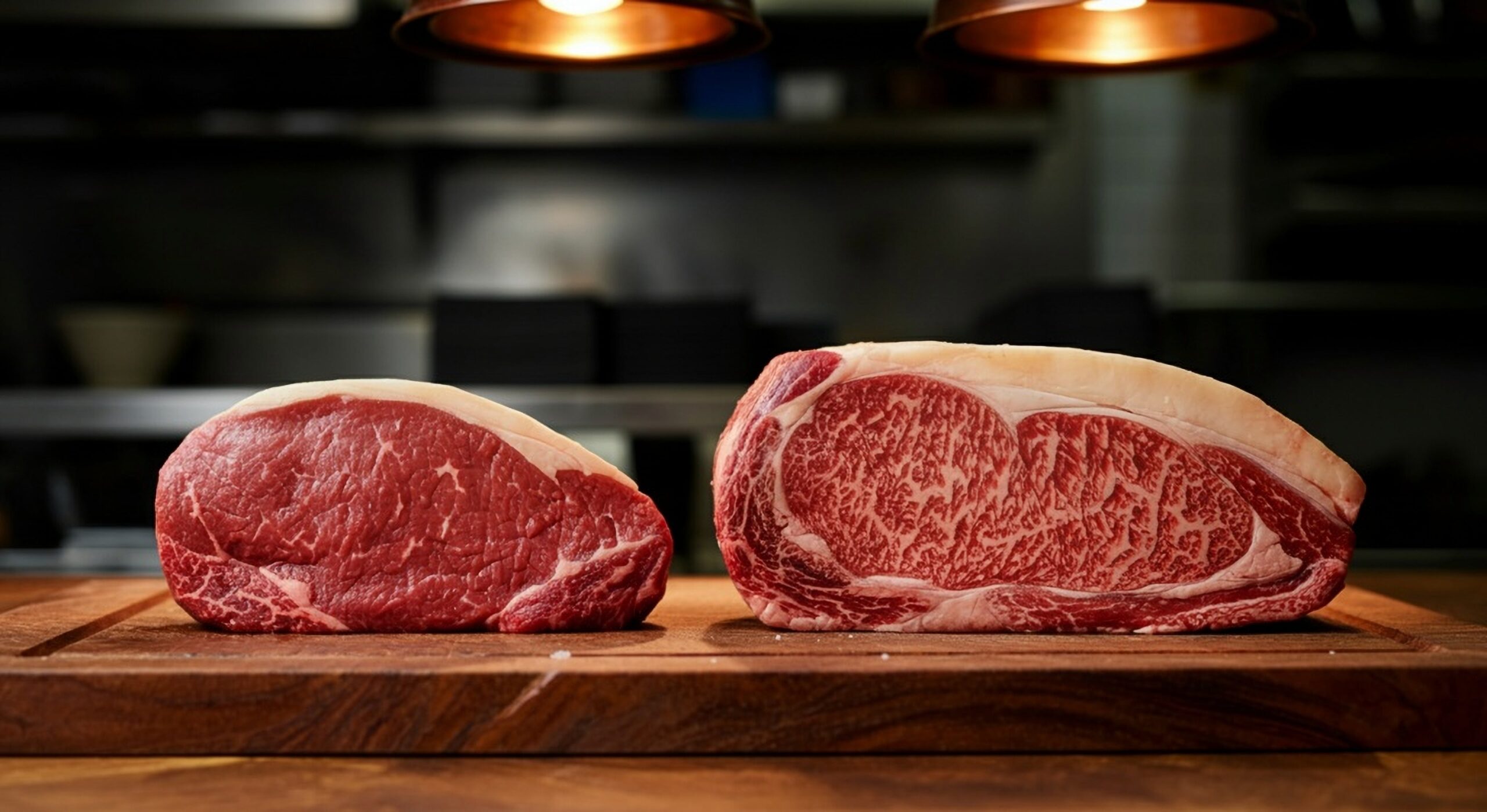
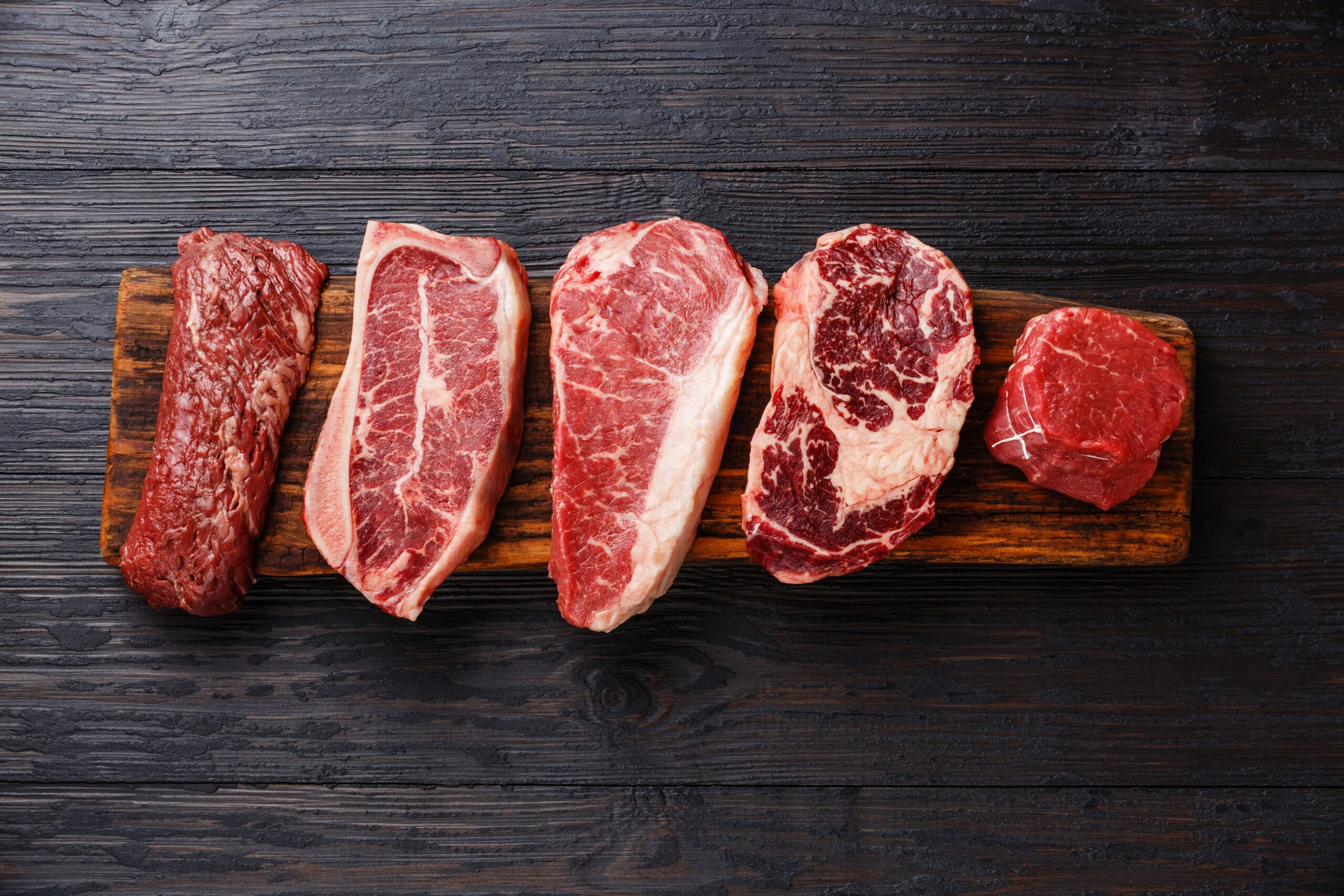
Before you grill, it’s important to know what cut you’re working with. Leaner cuts like a tenderloin or filet mignon are the standard when cooking for those who prefer a less fatty piece of meat. As they don’t have the same fat marbling as a ribeye or New York strip, they’ll dry out very quickly if you’re not careful with your temperature. Bone-in steaks like ribeyes benefit from slower cooking methods that allow the fat to melt away slowly, like smoking or reverse-searing on your grill.
Cooking over high heat is best done with naturally-marbled cuts. These cuts have fine webs of fat woven into the muscle tissue that melt as the steak cooks. This keeps the steak moist and is the reason those cuts taste so buttery. Bold flavors like those in a steak roast or ribeye are great for dipping in darker sauces like a red wine or mushroom butter.
If you’re a fan of that chewy, “toothy” feeling some steaks have, look into more secondary cuts like flat iron steak or hanger. Less expensive cuts aren’t necessarily less good meat — they just need to be sliced against the grain once it comes off the grill.
Finally, look for meat that is bright red in color and something that is solid to the touch. If you see grey or find it swimming in liquid, walk away.
- Do you like your steak buttery and rich? Choose a Ribeye.
- Are you a tender texture kind of person? Choose a Filet Mignon.
- Do you like your steak in-between? Choose a New York Strip.
- Feeding a crowd on a budget? Choose a Flank or skirt steak.
Check Your Temperature — Then Let It Rest
You absolutely can wreck a steak by taking it off the grill at the wrong time. While the “touch test” and general cooking times chart work in a pinch, what you really want is a digital meat thermometer.
Remove your steak once it reaches 130 degrees Fahrenheit for medium-rare, and properly rest.
Resting your meat is one of the most important steps that most home cooks skip. After you grill your steak, let it sit for at least ten minutes before cutting into it. As meat cooks, the fibers contract and force the juices into the center of the meat. If you slice into your steak right away, all of those delicious juices will end up on your plate instead of in your bite. Resting allows your steak to reabsorb those tasty juices.
Be More Eclectic With Your Seasonings
Seasoning your steak properly starts long before you add that kosher salt and black pepper. But it’s important to recognize that salting your steak too soon or too late can make the difference between a good steak and a great one.
Ideally, you should salt your steak forty minutes before cooking. Salting your steak this early gives the salt time to draw out moisture, dissolve into it, and then be reabsorbed back into the steak, seasoning it from the inside out.
If you only have ten minutes before cooking, don’t bother seasoning at all. The salt won’t have enough time to absorb and will just evaporate, leaving you with a dried-out piece of meat that won’t brown evenly. Our recommendation is to salt your steak right before it hits the heat in this case.
That ten-minute window we were telling you about – that’s the danger zone. Any moisture drawn out by the salt won’t have time to be reabsorbed and will interfere with your sear.
Speaking of finishing touches, if you’re cooking your steak with a pan sauce in mind, now is the time to add those ingredients. Texans love their steak with a little bit of garlic, butter, and herbs so add a cube of butter, some crushed garlic cloves, and fresh rosemary or thyme to your skillet right before you remove your steak. Use a large spoon to baste your steak with that delicious butter by pouring it over the steak from the pan. This will give your steak great depth of flavor and a shine you normally only get from high-end steak restaurants.
What Not to Do
Flipping your steak every thirty seconds might seem like it will speed up the cooking process, but picking meat up off the grill or grates inhibits its ability to build a crust. Leave it alone once you put it down. If it’s not moving when you go to flip it, it’s not ready to flip.
Another mistake is not letting your meat warm up before cooking. Just like you wouldn’t bake a frozen chicken breast, you shouldn’t throw a frozen hunk of meat on the grill. Allow your steak to sit at room temperature for at least a half hour before cooking.
Y.O. Ranch Steakhouse | Your Source for the Finest Wild Game and Steak in the Dallas West End
You can also capture that steakhouse magic without firing up the grill, don’t forget. At home, follow each of these steps and you’ll be cooking steak that even your mom will brag about to all of her friends. But if you want to treat yourself — or just need a break from playing chef for a night — come and see what we’ve been cooking up at Y.O. Ranch Steakhouse.
We’ve brought the spirit of the Texas Hill Country to the Dallas West End and have been serving up some of the best steak in town. From our expertly grilled steak to world-renowned wild game, there’s something for everyone.
Whether you’re coming in to celebrate a special occasion or need a luxurious setting for that next big business deal, our historic 1880 restaurant provides ambiance you won’t find anywhere else. Choose from several private event spaces perfect for wedding rehearsal dinners or birthday celebrations — let us take care of everything.
FAQ
Q. What is the best way to cook steak if I don’t have a grill?
The easiest way to cook steak indoors is by using a cast iron skillet. Cast iron retains heat better than any other cooking equipment meaning you can get that professional sear you crave from cooking steak. If your steak is really thick you can start it on the stove then finish cooking in a hot oven.
Q. Why do you recommend buffalo or elk over beef?
Wild game, like buffalo, elk or antelope, is typically leaner and healthier than beef while still packing a protein punch. They also have a more pronounced flavor making them unique alternatives to traditional beef.
Q. How can I make sure my steak is evenly seasoned?
Hold your seasoning at least a foot above your steak. Salt and pepper fall faster than you think. By standing far away from your meat you allow the seasoning to evenly spread across the steak.